

Digital Business Models
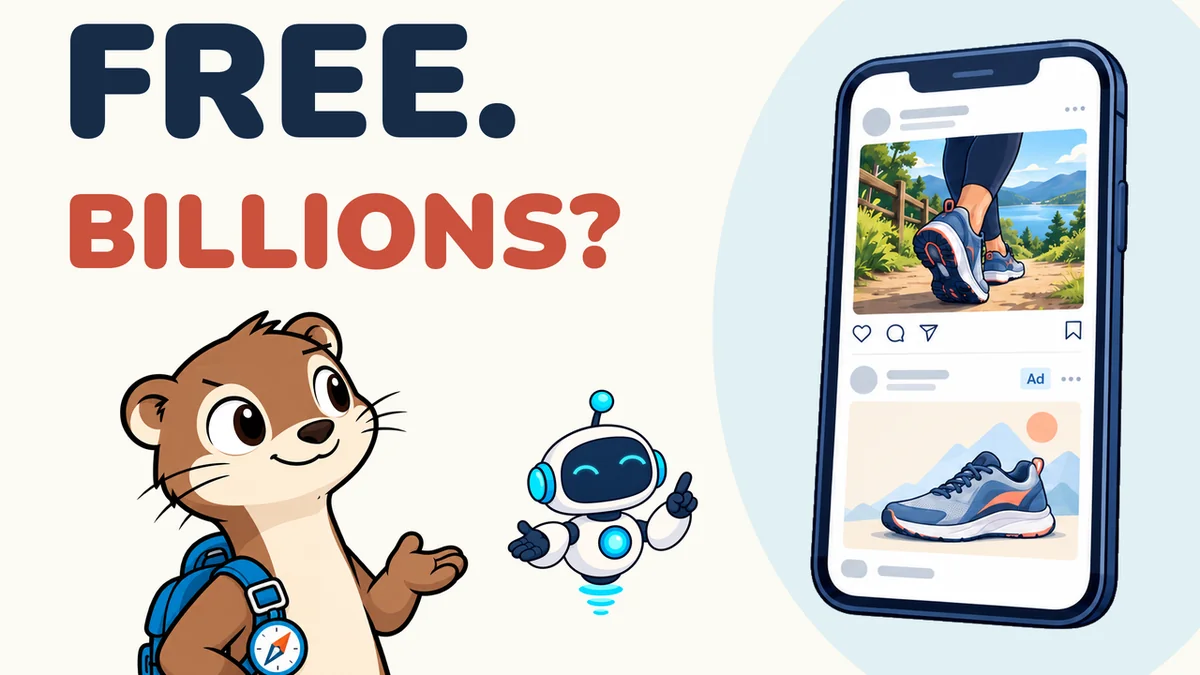
Follow the money behind a free service.
Questions
Connected topics

Cookies & Browser Storage
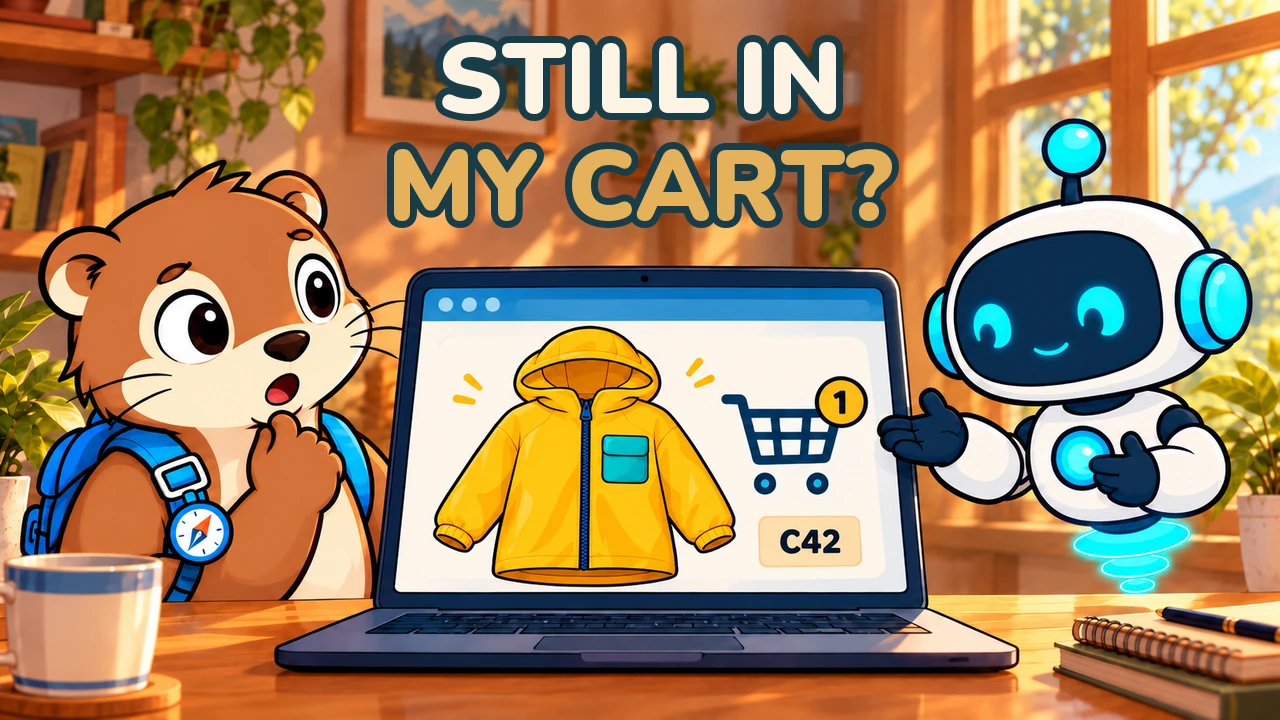
A remembered cart explains how a shop finds your items. To understand how a free service earns money, follow the separate business-model question.

Choice & Interfaces
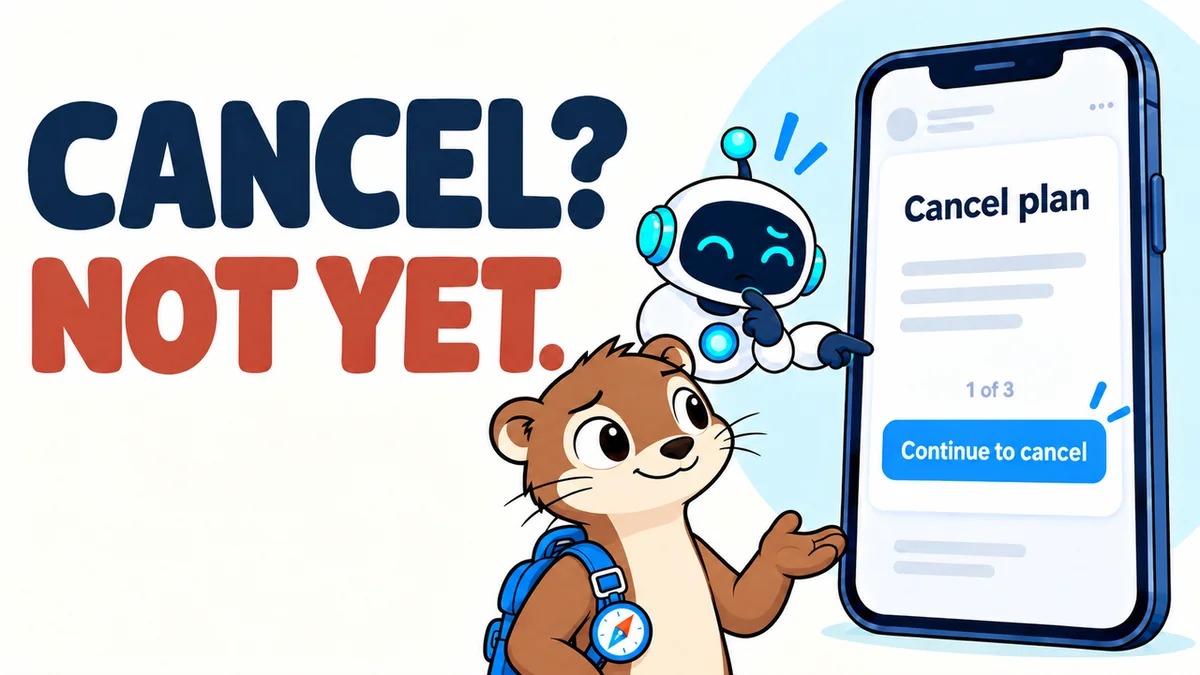
Recurring revenue gives a reason to examine retention; a difficult interface alone does not establish a provider’s intent.
Sources & further reading
- Meta — Fourth-quarter and full-year 2025 results
Company-wide annual advertising revenue, reported in millions of US dollars; not the profit of a single app.
- Apple Developer — Overview of In-App Purchase types
Official descriptions of consumables, non-consumables and subscription products.
- Spotify — Q4 2025 shareholder deck
Annual Premium revenue of €15,350 million divided by total revenue of €17,186 million gives approximately 89.3%.
- Duolingo — 2025 Form 10-K
The company's explanation of its free-user and paid-subscription model, not proof that each free user is profitable.
- Google — Privacy Policy
Describes Google's own collection, advertising use and sharing practices; does not represent every app.
- FTC — June 2024 final order concerning Avast and Jumpshot
A historical enforcement case. Allegations and final restrictions should not be generalized to all free services.
- Einav, Klopack & Mahoney — Selling Subscriptions, American Economic Review (2025)
Published AER version, 115(5), 1650–1671; introduction, sample selection and conclusions checked October 27, 2026. Ten selected large US services; inattention and switching costs are not separately identified. Card replacement is not cancellation advice.
- Apple Support — Cancel a subscription from Apple
Official guidance for identifying the account and billing provider, checked October 18, 2026.
- Google Play Help — Cancel, pause, or change a subscription
Official billing, uninstalling, account and access guidance, checked October 18, 2026.
- Apple Developer — Offering account deletion in your app
Explains the distinction between deleting a service account and canceling an Apple-billed subscription.
- Google Ads — About dynamic remarketing
A provider’s technical description of past-visitor product ads; not independent evidence for a specific ad or a promised sales effect.
- MDN — Third-party cookies
First- and third-party context and storage behavior. Browser policies and settings matter.
- Google My Ad Center — How personalized ads work
Google’s stated personalization controls and non-personalized contexts; not every advertising provider’s policy.
- MDN — Using HTTP cookies
Cookies and eligible requests; persistence and session-restoration qualifications. The shop is an explicitly defined fictional model.
- MDN — Web Storage API
Browser storage types and scope; not evidence of a named shop’s implementation.
- MDN — Storage quotas and eviction criteria
Storage limits and possible deletion; no guarantee that local data lasts forever.
- OWASP — Session Management Cheat Sheet
Session lifecycle and explicit server-side invalidation. Recommendations do not establish that every service follows them.